
Energy transition
The commercial conditions for energy transition
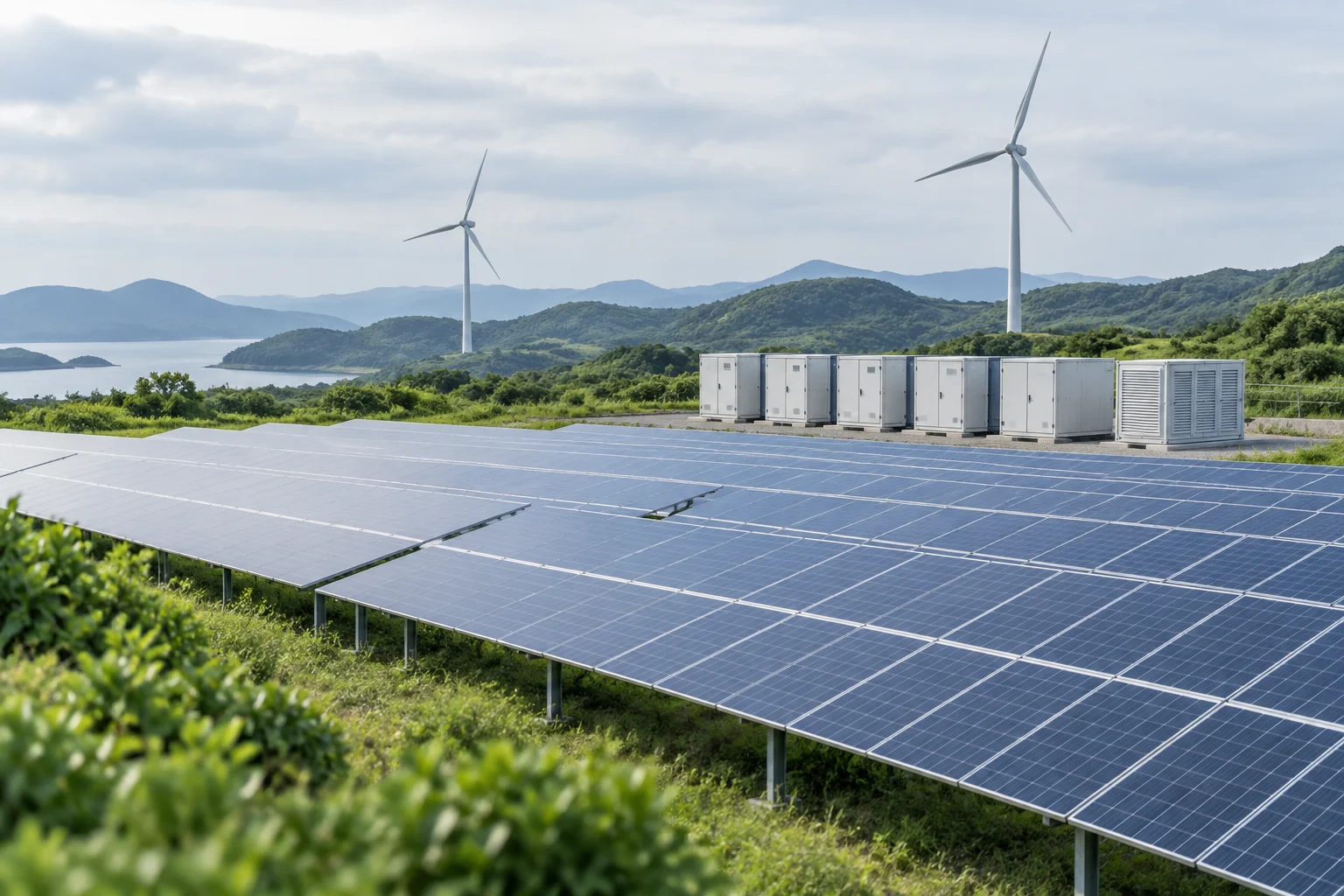
Energy transition is a long-term theme; project economics depend on demand, contracts, connections, capital and execution working together.
01Separate objectives and returns
Transition goals, business economics and shareholder outcomes are different levels. Sector data provides context, while company conclusions need products, customers and contracts. Benefits are not distributed uniformly. SilverCape's interest is a research direction, not a claim of owned assets or assured returns.
02Test conversion into procurement
Potential users still face budgets, installation and alternatives. Trials do not guarantee sustained purchases. Reliability and maintenance influence expansion. Local energy prices, climate and infrastructure alter economics, so do not replicate one deployment's assumptions everywhere.
03Read revenue boundaries in contracts
Pricing, termination, minimum usage, cost pass-through and settlement define the income stream. Longer duration can improve visibility while locking costs or prices. Match contracts with asset life and debt, and examine the payer's ability to perform.
04Assess complete delivery
Equipment delivery differs from commercial operation. Map permissions, construction, connection, testing and acceptance. System coordination matters for power assets. Delays can extend interest and operating commitments, so evaluate schedule and funding together, including correlated project delays.
05Include upkeep and reliability
Review degradation, replacement, warranties and downtime. Monitoring and safety spending support reliable service, so lower costs are not always better. Compare technologies on consistent lifecycle boundaries rather than equipment price alone.
06Evaluate finance as an operating condition
Match long-lived project cash with maturity, interest, amortisation and covenants. Review parent support and restrictions on transfers. Stress delayed income alongside financing changes. Neither project structure nor nominal facilities eliminate funding constraints.
07Expect competition to redistribute returns
Capacity growth can outpace demand and compress returns despite a larger market. Integration adds capabilities and risks, not just synergies. New technologies may weaken existing assets. Examine adjustment time, customer acceptance and conversion costs.
08Verify execution, not just announcements
Track orders, delivery, availability, settlement and cash as separate stages. Funding and qualifications do not guarantee project economics. Resources, intentions and completed investment are different facts. Verify the entity, conditions and completion status rather than relying on scale or prominence.
09Test the conditions for an expansion
Cheaper equipment does not ensure better project economics if connection is delayed or revenue reprices downward. Check complete resources, financing and any genuinely available staging options. List secured conditions separately from assumptions.
10Conclude with explicit conditions
Connect demand, service, contracts, investment and downside in one logic. Change monitoring priorities as projects develop. SilverCape studies connections with technology and infrastructure through business conditions, not an unlimited growth narrative. Preserve reasons for every update.
- Document reference
- Research note · R-06
