
Energy transition
Adoption, cost and constraints in new energy
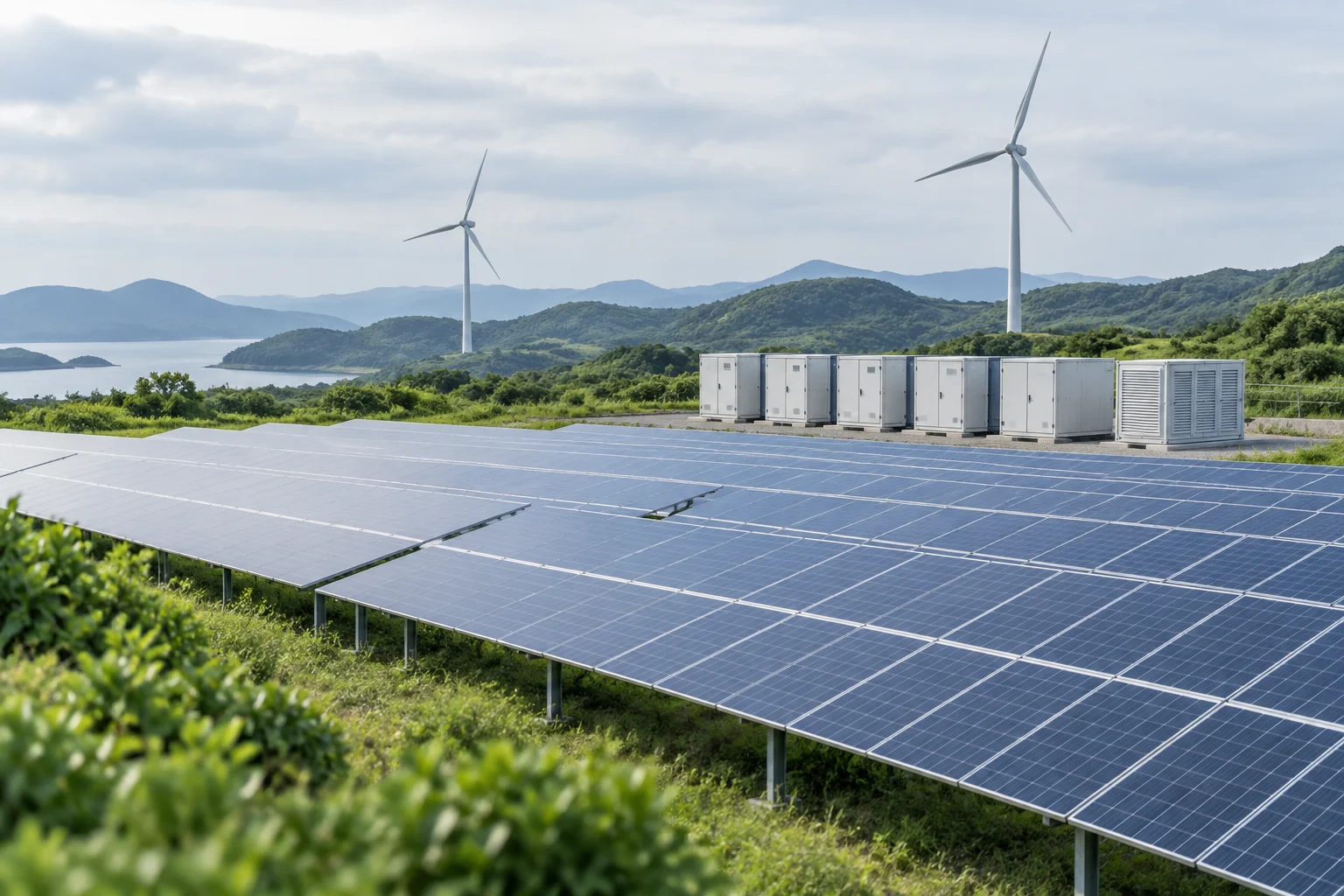
Examine energy transition through practical adoption, lifecycle economics, system constraints and the path from capacity to cash.
01Separate energy business models
Manufacturing, materials, generation, storage and energy services have different customers and funding needs. One segment's gain may be another's cost. Distinguish existing revenue from construction and intended expansion, especially in IPO materials. A use-of-proceeds plan is not achieved market share.
02Start with the use case
Adoption depends on reliability, cost, flexibility or convenience for a particular user. Upfront funding, installation, maintenance and alternatives can delay purchases despite appealing long-term economics. Prices, infrastructure and local conditions vary. A successful deployment elsewhere is evidence to examine, not an automatic regional forecast.
03Compare complete lifecycle economics
Equipment price excludes installation, connection, maintenance, replacement and retirement. Align comparison boundaries. Degradation, downtime and operating conditions matter alongside specifications. Financing duration and settlement timing can change economics even as technical efficiency improves. Review performance commitments and actual operating evidence.
04Investigate system constraints
Generation needs usable connections, transmission and demand at the right time. Storage revenue depends on specific services, contracts and dispatch restrictions; mutually exclusive uses should not be added as simultaneous income. IEA grid research provides context, while individual-project conclusions require project evidence.
05Follow profit along the chain
Compare demand with capacity expansion and exit barriers. Input-cost savings may be passed through rather than retained. Contract timing and inventory affect who benefits. Technical progress can expand applications while reducing the value of existing products. Examine adaptation costs and capability, not only current efficiency.
06Track orders through collection
Separate intentions, contracts, delivery, acceptance, recognition and cash. Backlog can still depend on customer financing or project conditions. Review receivable ageing and subsequent collection against new funding needs. Where support mechanisms apply, verify eligibility and receipt rather than assuming past arrangements continue unchanged.
07Keep transition goals and investment risk distinct
A positive energy objective is not an endorsement of every project. Assess safety, quality, resource use and end-of-life responsibilities with clear evidence. Operating promise does not remove valuation, leverage or liquidity risk. Avoid treating a sector label as a guarantee of financial or environmental outcomes.
08Test cheaper equipment in context
New projects, existing operators and manufacturers experience lower equipment prices differently. Installation and connection may still constrain adoption. Model customer and competitor responses rather than allocating all savings to one business while holding the rest of the market unchanged.
09Review each development stage
Early research should emphasise customer validation; expansion adds delivery and funding; mature operations require upkeep and capital discipline. Track cost, adoption, competition and cash together. SilverCape examines energy's connections with technology and the real economy through specific operating conditions, not through the industry label alone.
